Exploring the Roots of Moral Outrage and Political Division
January 15, 2025 - 03:28
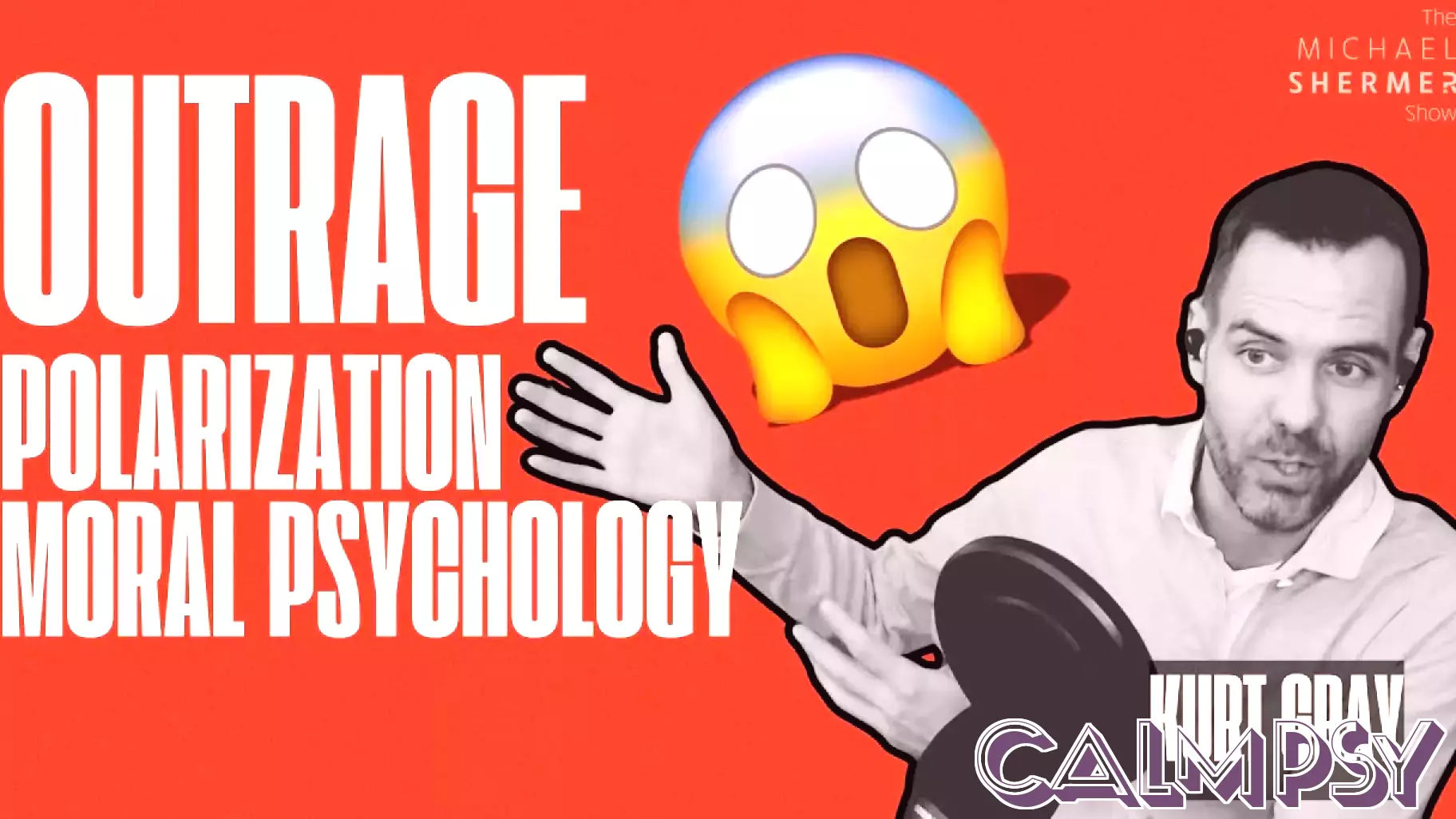
In a thought-provoking discussion, Michael Shermer and Kurt Gray delve into the complexities of moral outrage and the underlying psychological factors that fuel political division. They explore the concept that morality is deeply intertwined with our perceptions of harm, suggesting that our emotional responses are often rooted in evolutionary psychology.
Gray highlights that, despite the apparent chasm between progressives and conservatives, there are fundamental similarities in how both groups perceive moral issues. This insight challenges the notion of an irreconcilable divide and opens the door for more constructive dialogue.
The conversation also emphasizes the importance of understanding these psychological mechanisms in order to bridge societal divides. By fostering empathy and recognizing shared values, individuals can work towards a more harmonious coexistence. This exploration not only sheds light on the nature of outrage but also provides practical strategies for nurturing understanding in an increasingly polarized environment.
MORE NEWS

October 27, 2026 - 02:45
Self-Harm Content Reaches Teens Mostly Through Social Media FeedsRoughly one in three secondary school students in England encountered content about self-harm online during the past month, according to new findings. The vast majority of these young people were...

October 26, 2026 - 03:21
Fear of Rejection Linked to Greater Fear of Death in Young AdultsYoung adults who are highly sensitive to rejection often report a stronger fear of death, according to a study of 640 Italian participants. The research suggests that the connection between social...

October 25, 2026 - 09:15
When Office Friendliness May Be Hiding EnvyAlmost every workplace has that one person who seems almost aggressively nice. They greet you with an oversized smile every morning, ask about your weekend, drop warm compliments by your desk, and...

October 24, 2026 - 22:21
How Fan Psychology Drives Taylor Swift's Billion-Dollar SuccessThe intense, one-sided connections fans feel toward Taylor Swift and their fear of missing out strongly predict whether they will attend her concerts and movies, highlighting how the psychological...