Redefining Patience: A Psychological Exploration
December 20, 2024 - 14:30
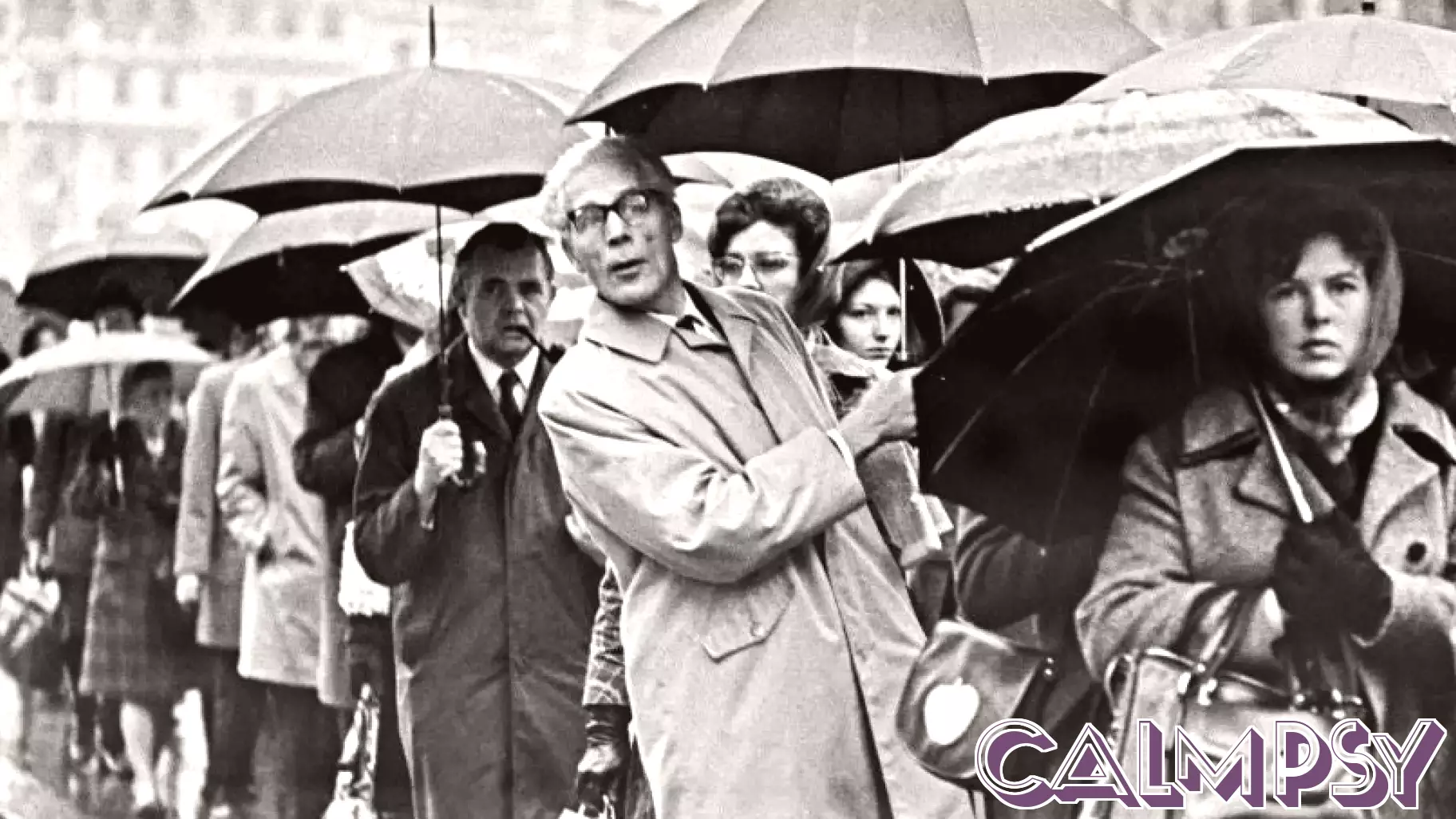
Patience, often considered a virtue, has long been a concept that eludes clear definition. UC Riverside psychology researcher Kate Sweeny has taken a closer look at this intriguing trait, questioning its traditional associations. While philosophers and religious scholars extol patience as a moral quality, Sweeny notes a common sentiment among individuals who identify more with impatience. This discrepancy prompted her to investigate whether patience is truly linked to moral character or if it is more about our coping mechanisms in the face of everyday frustrations.
In her research, Sweeny aims to delineate the characteristics of both patience and impatience, exploring the underlying factors that influence these behaviors. By examining how people respond to delays and obstacles, she hopes to uncover the psychological elements that shape our experiences of waiting and frustration. This inquiry not only seeks to clarify the nature of patience but also challenges the notion of it being an inherent virtue, suggesting instead that it may be more about our responses to life's challenges.
MORE NEWS

October 28, 2026 - 01:52
Catherine Ashmore Bradley and Cameron Crovetti to Headline Psychological Horror Film DollkeeperCatherine Ashmore Bradley and Cameron Crovetti have signed on to lead the psychological horror feature Dollkeeper. Jay Henric is attached to write and direct the project, which is scheduled to...

October 27, 2026 - 02:45
Self-Harm Content Reaches Teens Mostly Through Social Media FeedsRoughly one in three secondary school students in England encountered content about self-harm online during the past month, according to new findings. The vast majority of these young people were...

October 26, 2026 - 03:21
Fear of Rejection Linked to Greater Fear of Death in Young AdultsYoung adults who are highly sensitive to rejection often report a stronger fear of death, according to a study of 640 Italian participants. The research suggests that the connection between social...

October 25, 2026 - 09:15
When Office Friendliness May Be Hiding EnvyAlmost every workplace has that one person who seems almost aggressively nice. They greet you with an oversized smile every morning, ask about your weekend, drop warm compliments by your desk, and...