The Impact of Psychology on Carnivore Reintroductions in Britain
January 13, 2025 - 21:12
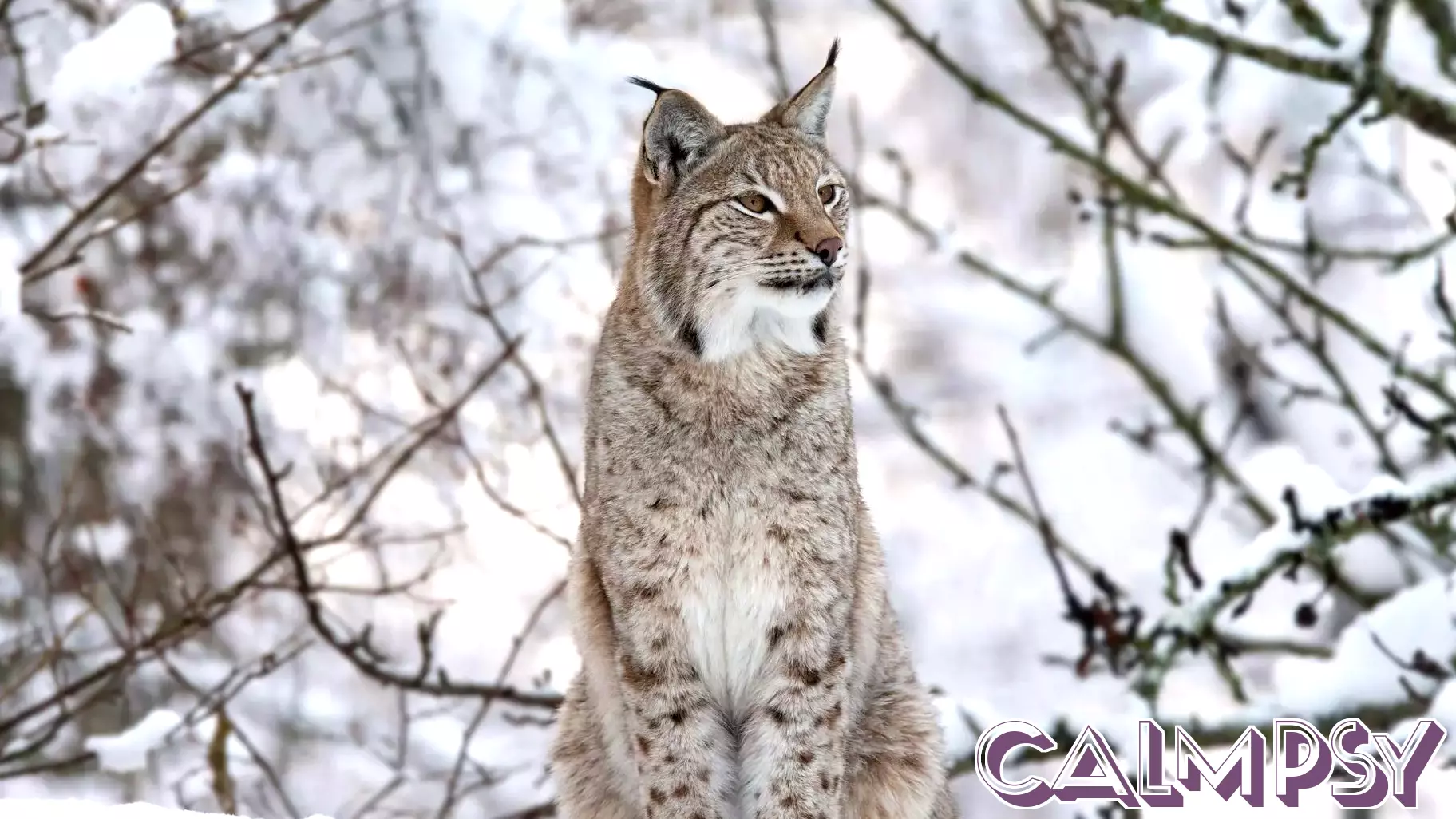
The reintroduction of carnivores such as lynx and wolves to Britain may hinge more on psychological factors than on ecological or political considerations. Research indicates that public perception and preconceptions about these animals could significantly influence the success of their reintroduction. While ecological studies provide essential data on habitat suitability and species interactions, the human element remains a critical component.
Many individuals hold strong beliefs about the dangers or benefits of reintroducing large predators. These beliefs can stem from cultural narratives, personal experiences, or media portrayals. Consequently, addressing these psychological factors is vital for conservation efforts. Engaging communities through education and awareness campaigns could help reshape perceptions, fostering a more favorable view of these species.
Ultimately, the success of reintroduction initiatives may depend on how well conservationists understand and navigate the complex psychological landscape surrounding these iconic carnivores. Balancing ecological needs with public sentiment will be crucial for restoring these species to their historical ranges in Britain.
MORE NEWS

October 27, 2026 - 02:45
Self-Harm Content Reaches Teens Mostly Through Social Media FeedsRoughly one in three secondary school students in England encountered content about self-harm online during the past month, according to new findings. The vast majority of these young people were...

October 26, 2026 - 03:21
Fear of Rejection Linked to Greater Fear of Death in Young AdultsYoung adults who are highly sensitive to rejection often report a stronger fear of death, according to a study of 640 Italian participants. The research suggests that the connection between social...

October 25, 2026 - 09:15
When Office Friendliness May Be Hiding EnvyAlmost every workplace has that one person who seems almost aggressively nice. They greet you with an oversized smile every morning, ask about your weekend, drop warm compliments by your desk, and...

October 24, 2026 - 22:21
How Fan Psychology Drives Taylor Swift's Billion-Dollar SuccessThe intense, one-sided connections fans feel toward Taylor Swift and their fear of missing out strongly predict whether they will attend her concerts and movies, highlighting how the psychological...